Development
Design

Theorem Inc

The Theorem ebook cover, “Core Elements of a Successful Email Campaign,” set over a portrait against an orange curve.
Client
Theorem, Inc
Year
2020–2021
My role
Freelance Digital Designer
Sector
Digital media · Managed services · B2B marketing
Services
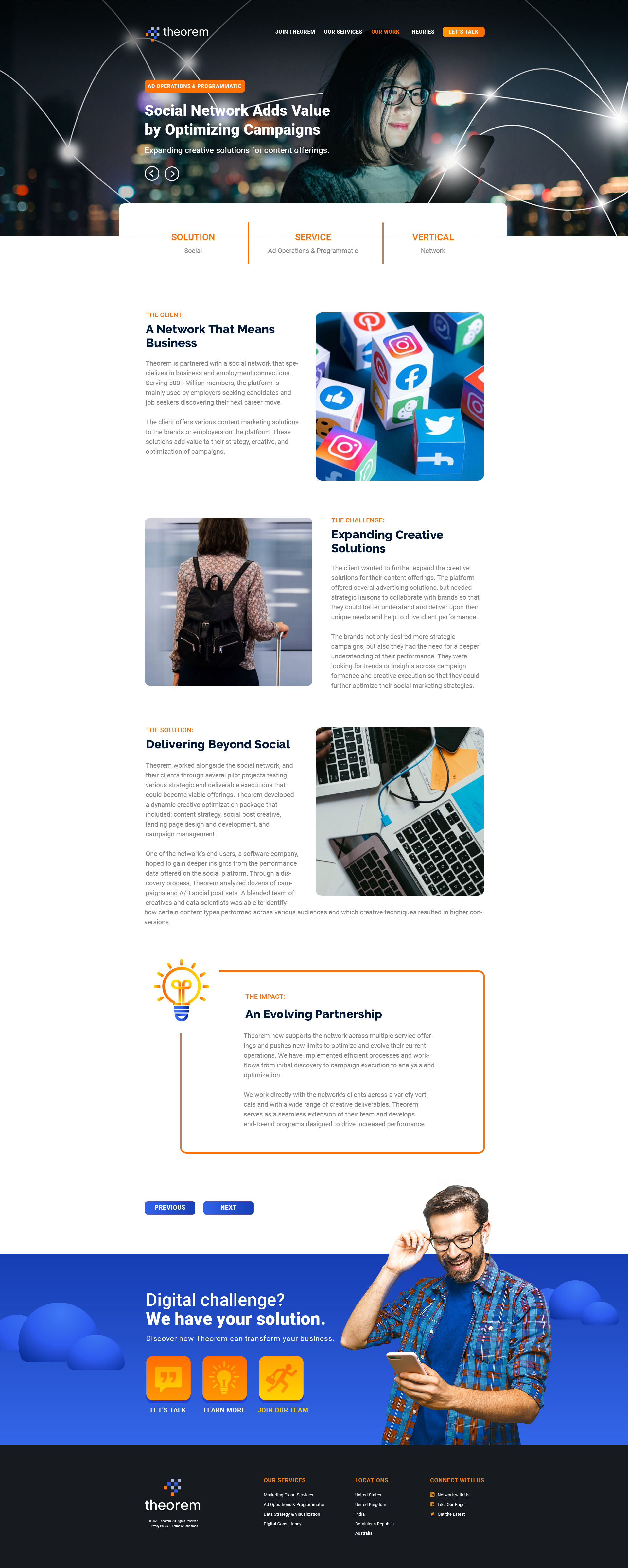
Website design, responsive design, type style guide, design-to-development handoff, infographic design, editorial and ebook template design
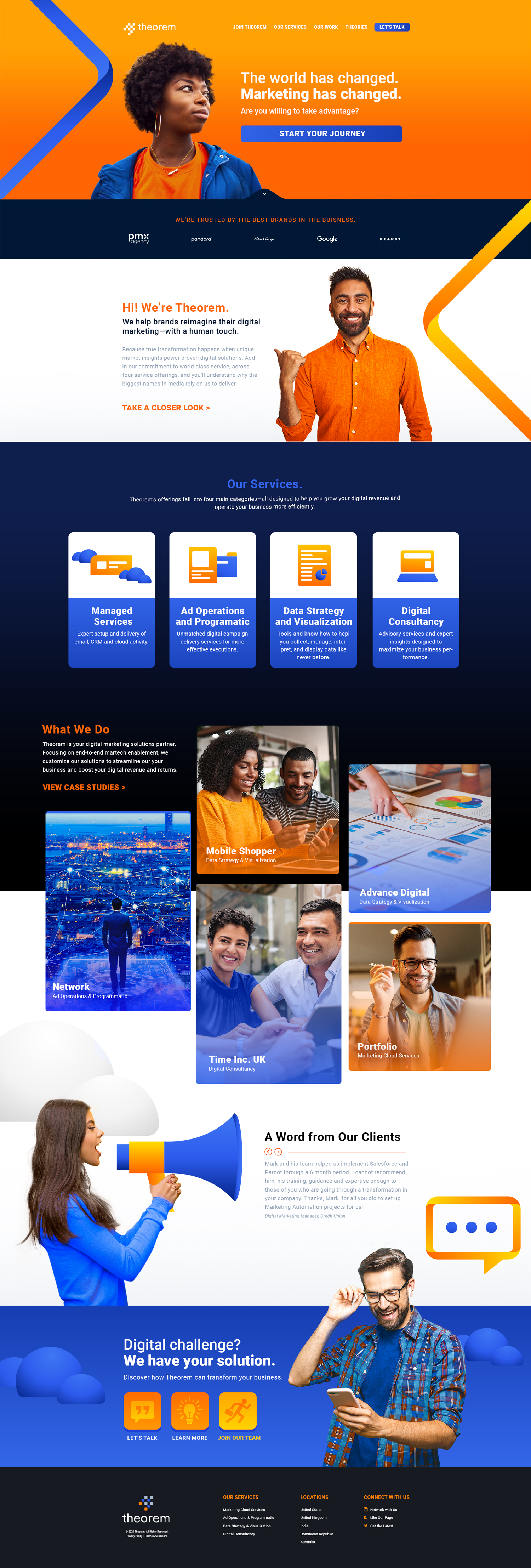
Six days from kickoff to the first homepage — then a year of the site, the style guide, the infographics and the ebook template.

The brief

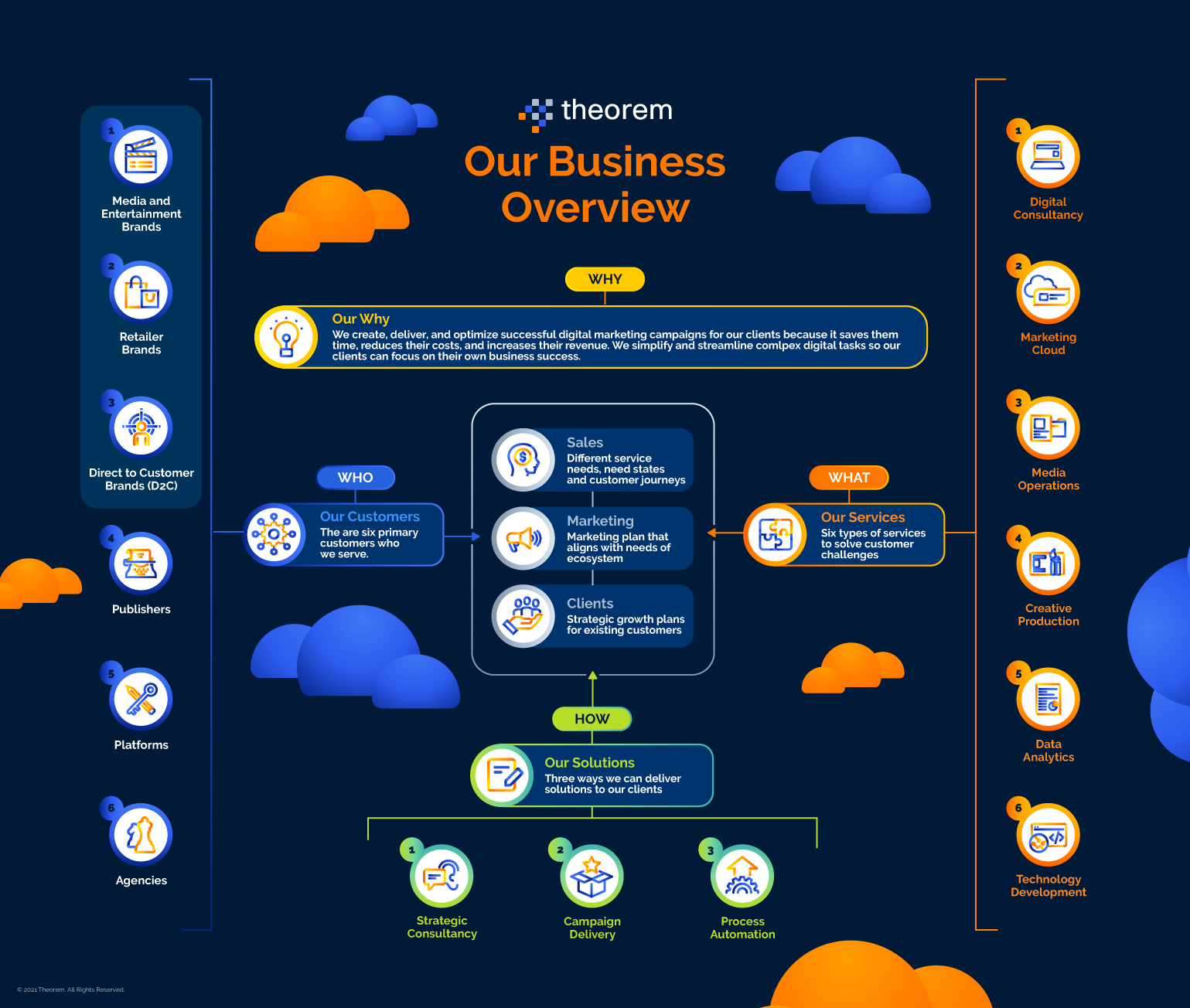
Theorem is a global managed services company that helps brands, publishers and agencies operate in digital — ad ops and programmatic, marketing cloud, data strategy, creative services, consultancy. They brought me on as a freelance digital designer in mid-2020 to redesign the marketing website, and the engagement ran for about a year.

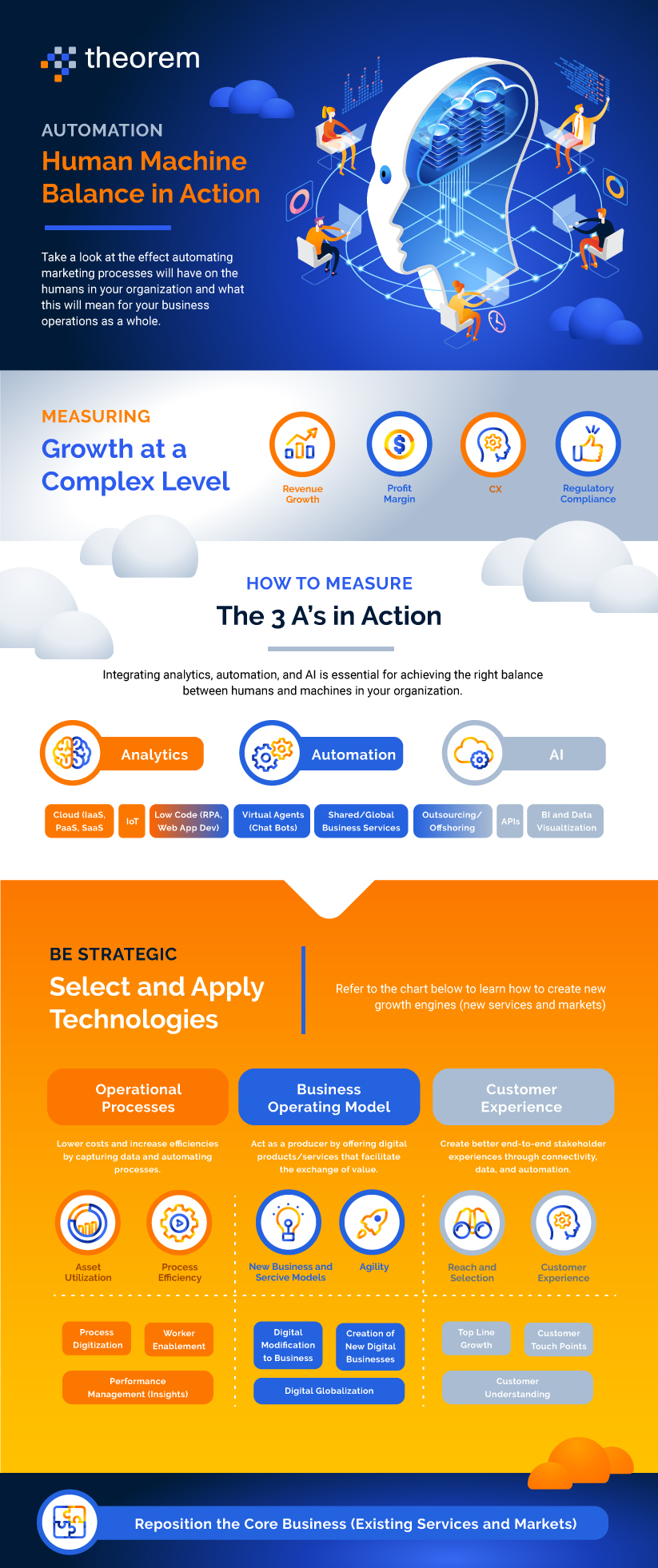
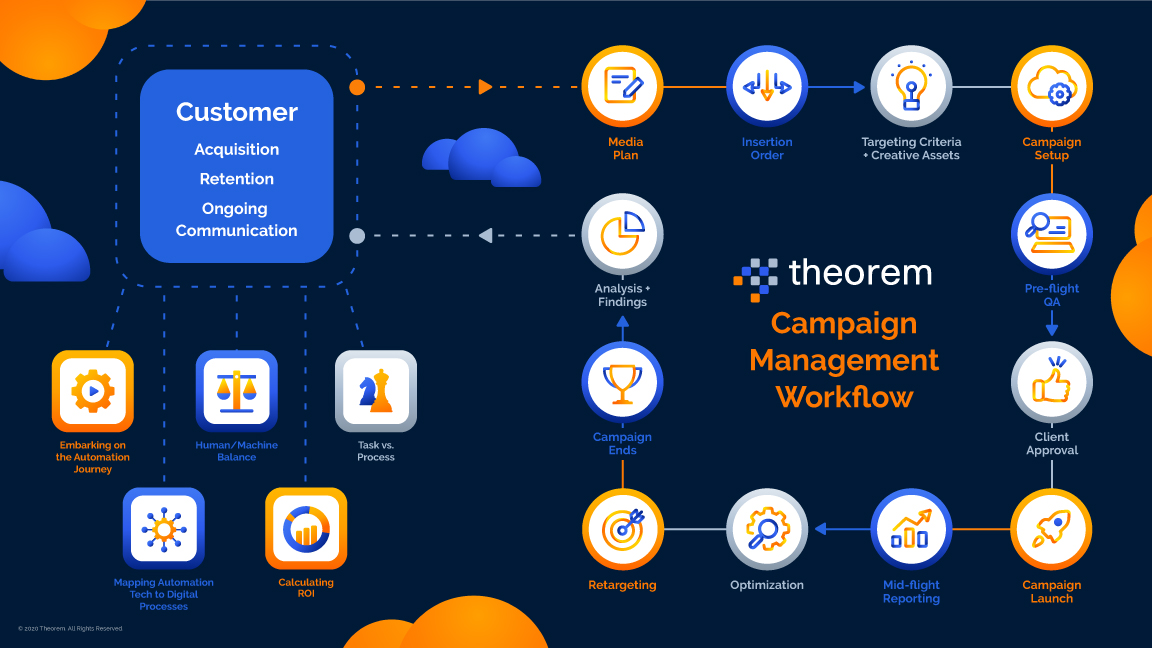
The website was the starting point, not the scope. It grew into the type system the rest of the team designed against, the annotated files their developers built from, the infographics behind an automation content series, and the ebook template their marketing team used to publish it.
Why it was hard

  • I was designing into a pipeline, not delivering a file. The build was handled by other people — an internal producer in Santo Domingo, an outside studio, in-house developers. Anything ambiguous in my handoff became someone else's guess.
  • More than one designer was working on the same site. Without a shared type system, four people's pages drift apart. The Art Director asked me to write one specifically so the rest of the team had something to design against.
  • The copy arrived after the design. Homepage copy was still being revised while layouts were in round three, so the design had to hold up under text that hadn't been written yet — then reflow across three breakpoints when it landed.
  • Theorem sells things you can't photograph. Programmatic ad operations and data strategy have no product shot. The site had to make an abstract managed service feel concrete to a buyer at a brand, a publisher or an agency — three different buyers — across three regions.
  • The infographics had to explain operations, not decorate them. Campaign management workflow, automation workflow, the balance between human and machine — these were real internal processes that had to become something a reader could follow in one pass.

What I did

  1. Delivered the first homepage six days after kickoff. Then took it through three rounds, working from the team's consolidated feedback rather than a stream of individual opinions.
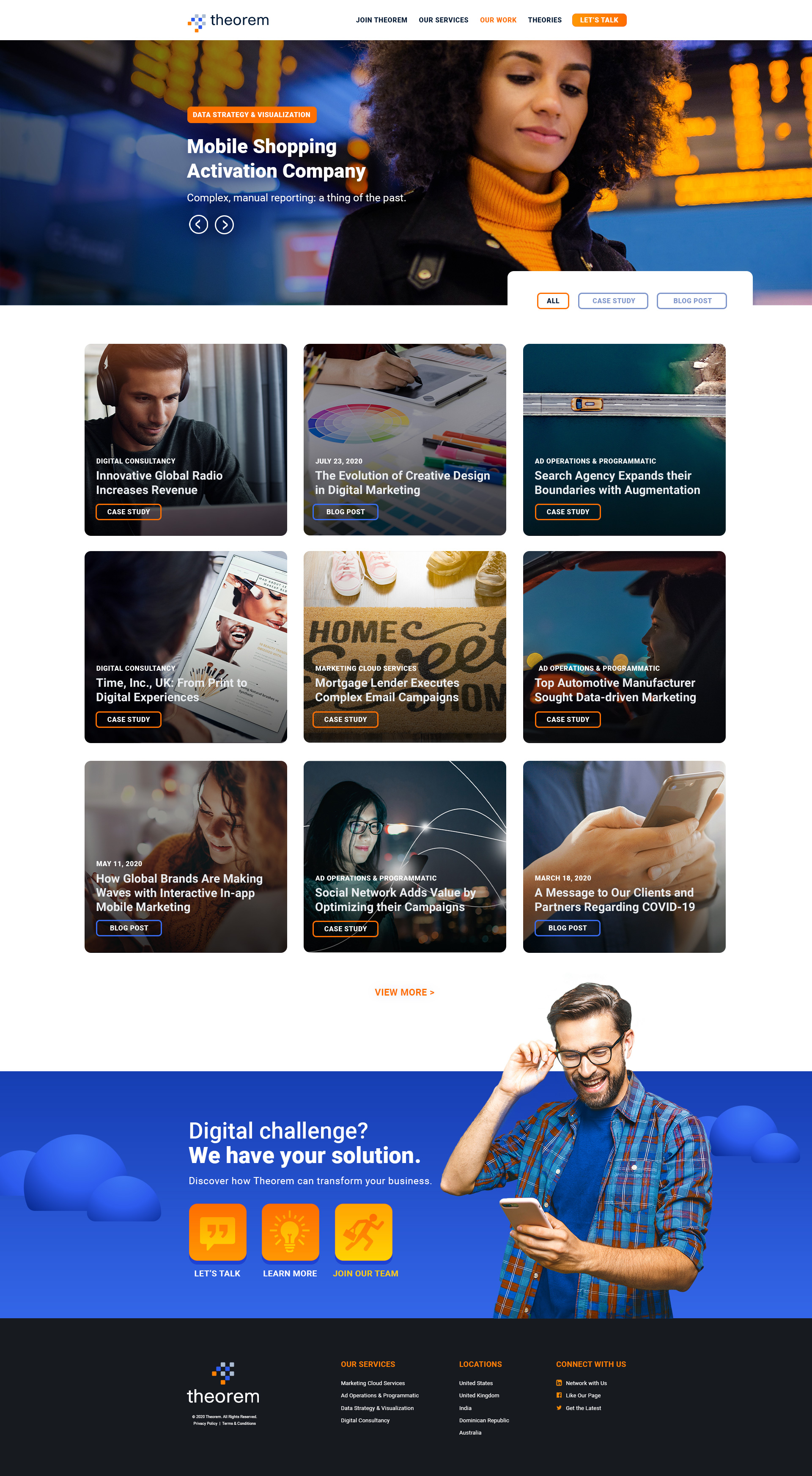
  2. Extended the redesign across the site. About, Work, Blog and case study page layouts, so the homepage wasn't a good page attached to an old site.
  3. Designed every page at three breakpoints. Desktop, tablet and mobile, rather than designing desktop and leaving the other two to be interpreted during the build.
  4. Wrote the type style guide. H1 through CTA, defined so multiple designers working in parallel produced pages that matched — the fix for a consistency problem before it became one.
  5. Specified the contact form as a qualification tool. Service interest as a multi-select, region as a single select, so an inbound enquiry arrived already routed rather than as a name and a message.
  6. Engineered the handoff. Annotated development notes on every layout, pixel-perfect files delivered through InVision, and packaged web assets — built so a developer who had never spoken to me could build it correctly.
  7. Learned the build tool on my own initiative. When development moved to Elementor, I bought and worked through the course so I could design in step with the developers instead of handing over and hoping.
  8. Designed the automation content series graphics. Infographics mapping campaign management and automation workflows, and the human-machine balance piece, translating internal process documents into explanatory graphics.
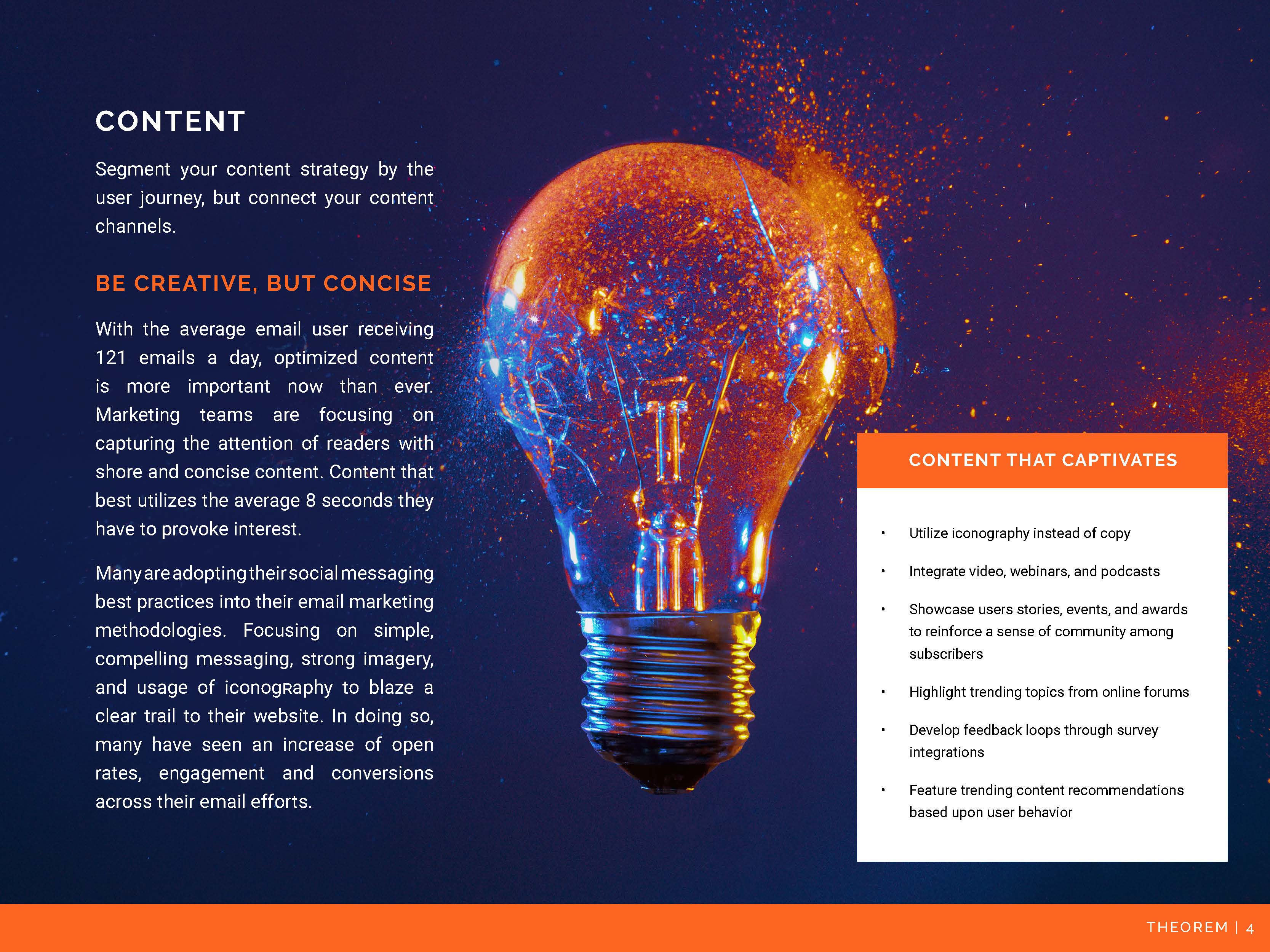
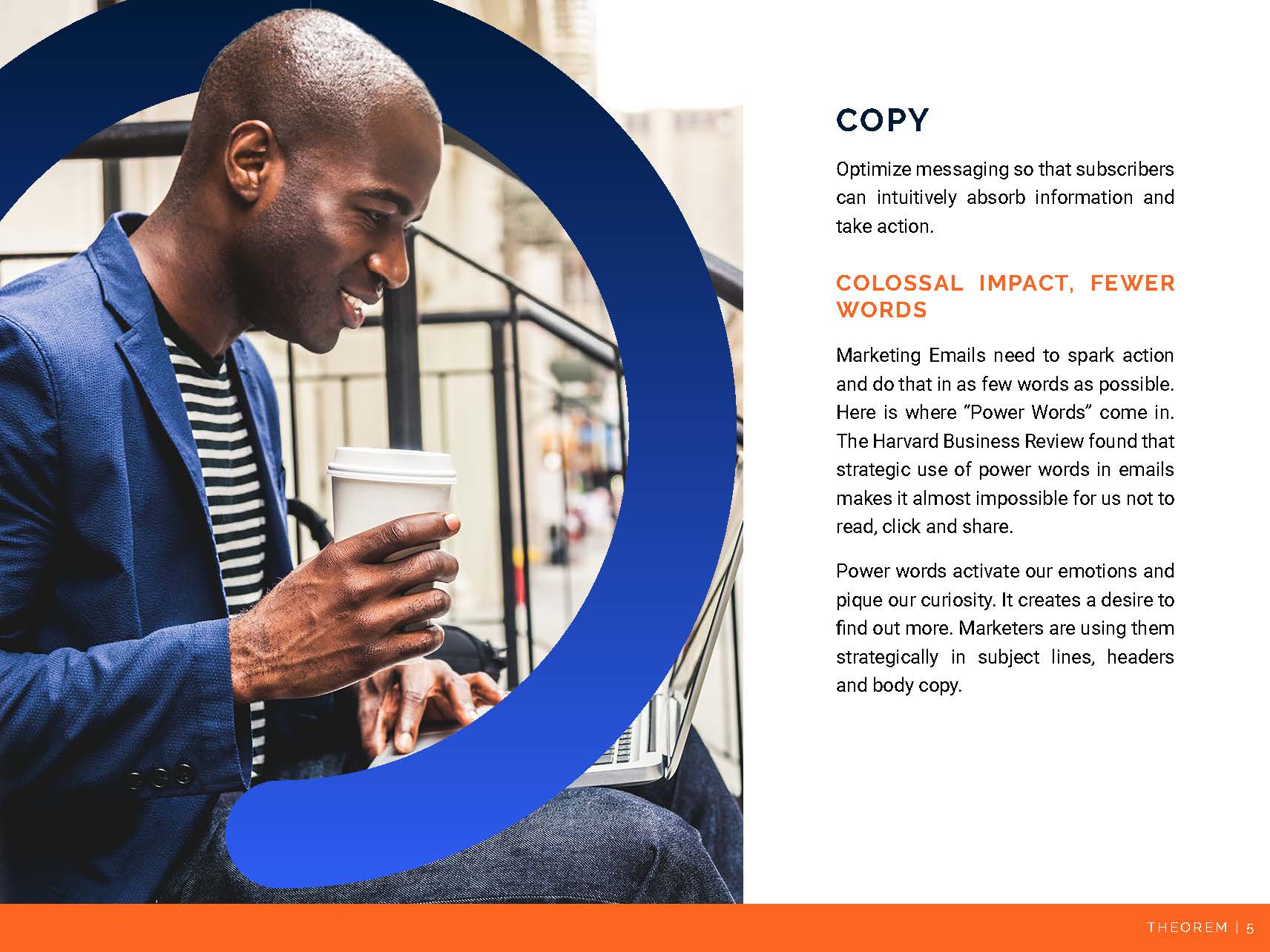
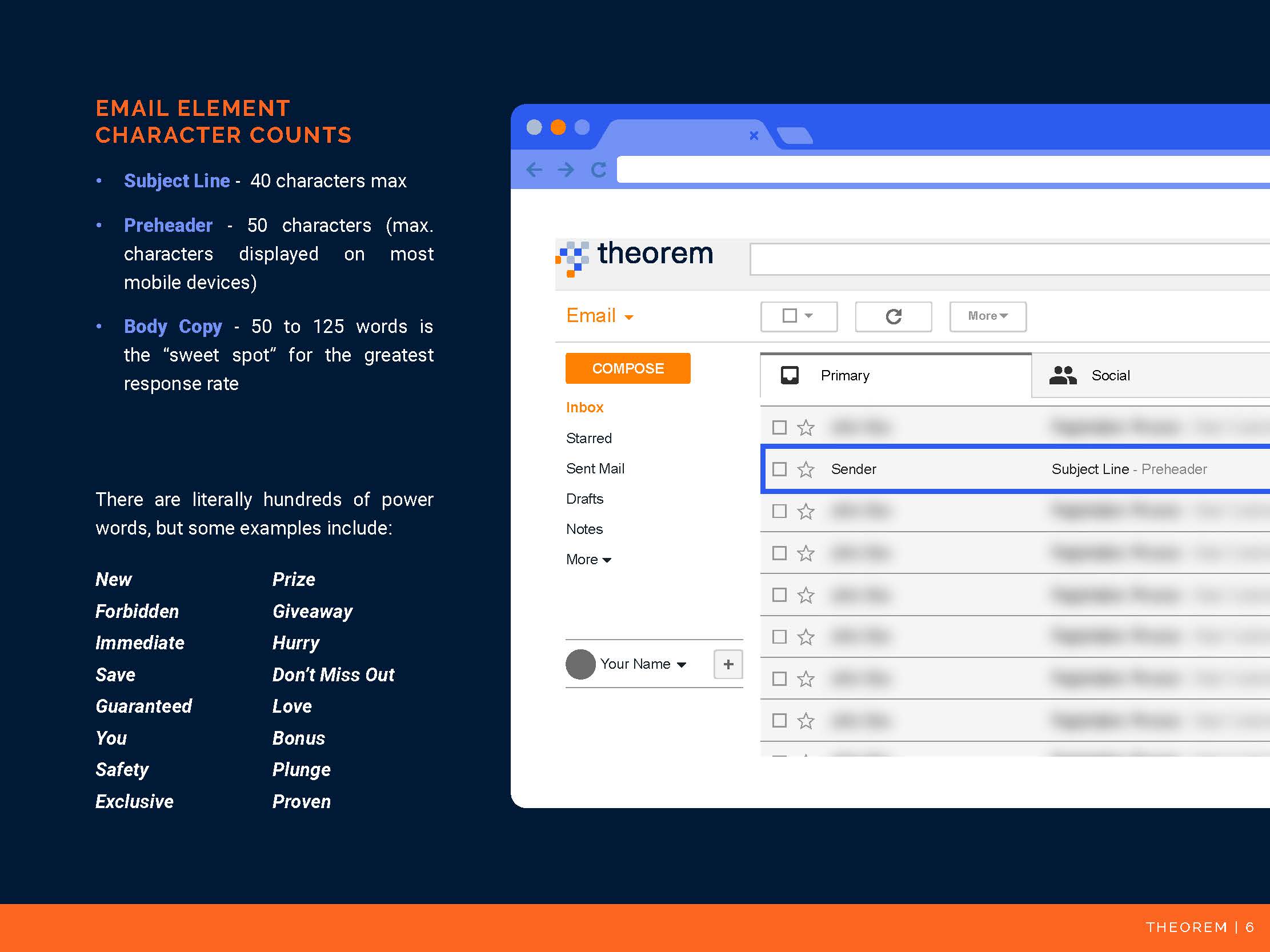
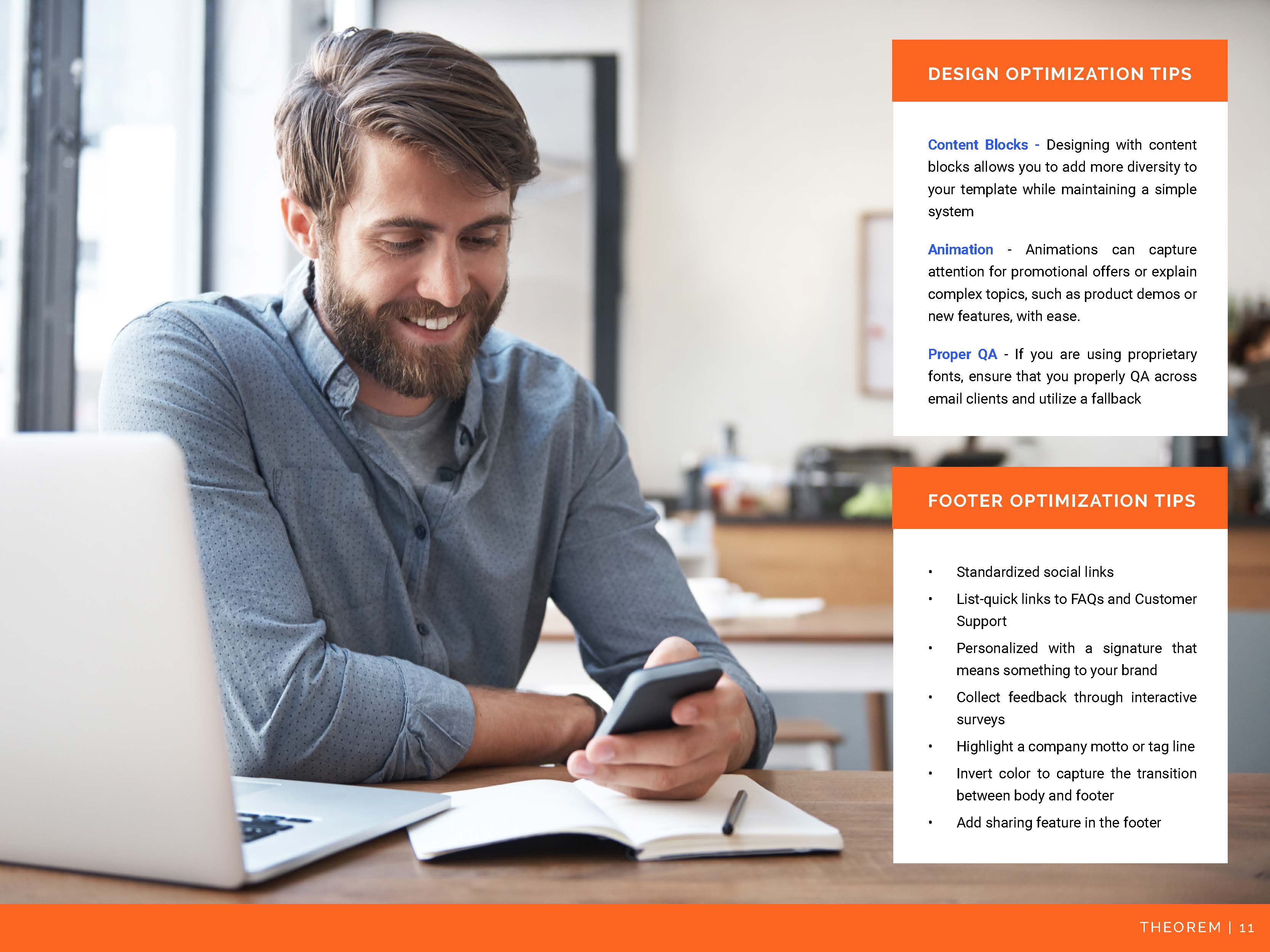
  9. Built the ebook as a master template. The first ebook shipped, and the template behind it meant the marketing team could publish the rest of the series themselves.

What changed

  • Theorem's marketing site was rebuilt from the homepage through the About, Work, Blog and case study pages, at three breakpoints.
  • A distributed team — New Jersey, Santo Domingo, an outside studio and in-house developers — worked from one type system and one set of annotated files.
  • The ebook master template turned a one-off deliverable into a publishing capability: marketing could produce the automation series without a designer in the loop each time.
  • What began as a website redesign ran about a year and expanded into content design, infographics and templates.
The team was blown away by your ability to quickly understand our goal and connect the dots using your own expertise and style.
Kara Degeorgis, Art Director, Theorem
Selected visuals
No items found.

Got something complicated?

That's the fun kind. Open to senior designer roles, and taking two freelance projects this quarter.

Related projects

Let's make something clearer than it was.

I'm Alyssa Ostroff — designer and brand strategist. Open to senior design and creative lead roles at mission-driven teams, and taking two freelance projects this quarter.

© 2026 The Nine Five Four, LLC, dba Alyssa Creative. Powered by caffeine. Lots and lots of caffeine.
Built accessibly, obviously.